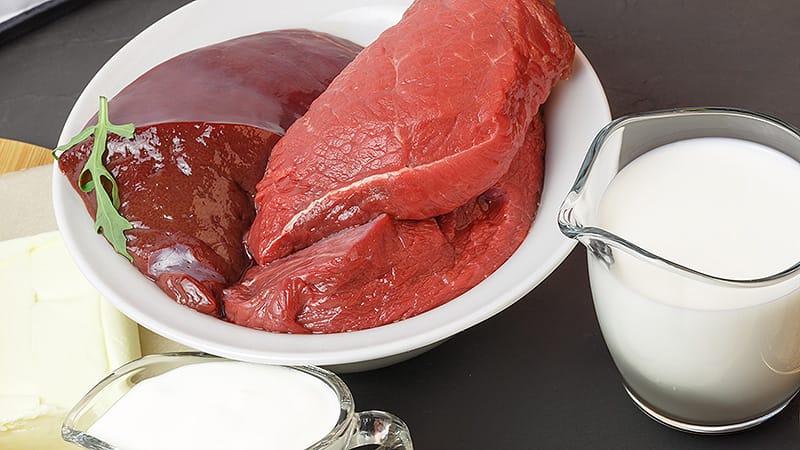
Omalizumab (Xolair) may reduce allergic reactions and the need for emergency epinephrine in patients with alpha-gal syndrome (AGS), according to a retrospective study presented at the American College of Allergy, Asthma, and Immunology (ACAAI) 2026 Annual Meeting . None of the patients required epinephrine for a food-related reaction while receiving omalizumab, and 95% reported fewer reactions or reduced reaction severity, researchers found. Nearly one third were able to reintroduce at least some mammalian foods or products. The findings suggest that omalizumab, an anti-immunoglobulin E (IgE) biologic already approved for several allergic conditions, may offer an additional layer of protection for patients with AGS who remain vulnerable to accidental exposures despite dietary avoidance. However, the retrospective study did not include a control group, and prospective trials are needed to establish the drug’s effectiveness. “I would consider omalizumab a potential adjunctive therapy for carefully selected patients with alpha-gal syndrome who continue to experience substantial disease burden despite standard management,” said lead author Collette M. Tilly, MD, allergy-immunology fellow at the University of North Carolina at Chapel Hill. AGS develops after a bite from the lone star tick ( Amblyomma americanum ), which can sensitize the immune system to galactose-alpha-1,3-galactose, a carbohydrate found in mammalian meat and other products. Unlike most food allergies, reactions typically occur several hours after exposure, making it difficult for patients and clinicians to identify the trigger. Payel Gupta, MD, allergist-immunologist in Brooklyn, New York, and member of the Allergy & Asthma Network’s Medical Advisory Council, who was not involved in the research, said the findings are biologically plausible given what is already known about omalizumab’s effects on food allergies. The medication can raise the amount of an allergen a patient must encounter before experiencing a reaction, potentially providing protection against accidental exposures, Gupta said. “That is the benefit of omalizumab,” Gupta said. “And I could see that also working for alpha-gal.” Treatment Outcomes The study included 64 patients with confirmed AGS who received omalizumab between April 2022 and November 2025. Participants had a compatible clinical history, positive alpha-gal-specific IgE testing, and at least 3 months of follow-up. The median age was 55 years, and 56% were women. Before treatment, 81% had experienced anaphylaxis, and 53% had required epinephrine. The median treatment duration was 23 months. During treatment, no patients required epinephrine for food-triggered reactions. A clinically meaningful reduction in reaction frequency or severity was reported by 61 patients (95%). Twenty patients (31%) reintroduced mammalian foods or products, including eight (13%) who achieved full reintroduction and 12 (19%) who achieved partial reintroduction. Aarti Pandya, MD, medical director of the Food Allergy Center at Children’s Mercy in Kansas City, Missouri, who was not involved in the research, said the findings add to a growing area of interest in using biologic therapies alongside dietary management for food allergies. “I think omalizumab is a fantastic medication for food allergies,” Pandya said. Its use “in accompaniment with either food avoidance or introduction” is a growing field, she added. However, she said more research is needed to validate its use in food allergy. Tilly cautioned that the reintroduction findings should not be interpreted as evidence that omalizumab restores tolerance to mammalian foods. Eight patients reported fully reincorporating red meat into their diets, but the study did not use standardized food challenges to assess tolerance. “We cannot determine whether these patients had truly regained tolerance to alpha-gal-containing foods or whether omalizumab substantially reduced clinical reactivity and increased the threshold required to trigger a reaction,” she said. Gupta said that raising the reaction threshold is not the same as eliminating the allergy. Patients may tolerate greater amounts of an allergen before reacting, but they remain allergic. The distinction is important in AGS because some patients experience declining alpha-gal-specific IgE levels over time, particularly without subsequent tick bites, and may naturally regain tolerance to mammalian foods. The study could not determine whether omalizumab facilitated reintroduction, increased reaction thresholds in patients whose sensitivity was already waning, or both. Tilly said that patients receiving omalizumab should continue avoiding alpha-gal-containing foods and products. “We do not recommend intentional dietary reintroduction solely on the basis of treatment with omalizumab,” she said. Adverse events in patients taking omalizumab in the study were infrequent and predominantly mild. Joint pain was a commonly reported effect; two patients (3%) discontinued treatment because of adverse events. Who Might Benefit? For some patients, the burden of AGS extends beyond the physical reactions. Unpredictable symptoms and the possibility of accidental exposures can affect everyday activities, including restaurant dining, travel, and social events. “Some patients experience considerable anxiety surrounding meals, travel, social activities, restaurant dining, and medication exposures,” Tilly said. For selected patients, reducing reaction frequency and severity may offer benefits beyond preventing allergic events. “Our study was retrospective and uncontrolled, and it is not possible to fully account for factors such as the natural history of alpha-gal syndrome, differences in allergen exposure, referral patterns, treatment duration, or patient selection,” Tilly said. Tilly and Pandya reported no relevant disclosures. Lara Salahi is a health journalist based in Boston.
Omalizumab May Ease Alpha-Gal Reactions
Omalizumab (Xolair) may reduce allergic reactions and the need for emergency epinephrine in patients with alpha-gal syndrome (AGS), according to a retrospective